Home / Choosing the Right Exterior Siding: Expert Tips for Lasting Appeal

Choosing the Right Exterior Siding: Expert Tips for Lasting Appeal

Aug 19, 2026 Administrator Design Ideas
Choosing the Right Exterior Siding: Expert Tips for Lasting Appeal

Table of Contents

ADVERTISEMENT

Understanding Exterior Siding Materials

Selecting the right siding material is a cornerstone of any successful exterior renovation. Each material brings unique characteristics that affect your home's look, longevity, and upkeep. Here’s an overview of the most common siding types to help you make an informed decision.

Common Types of Siding: Vinyl, Wood, Fiber Cement, Metal, and More

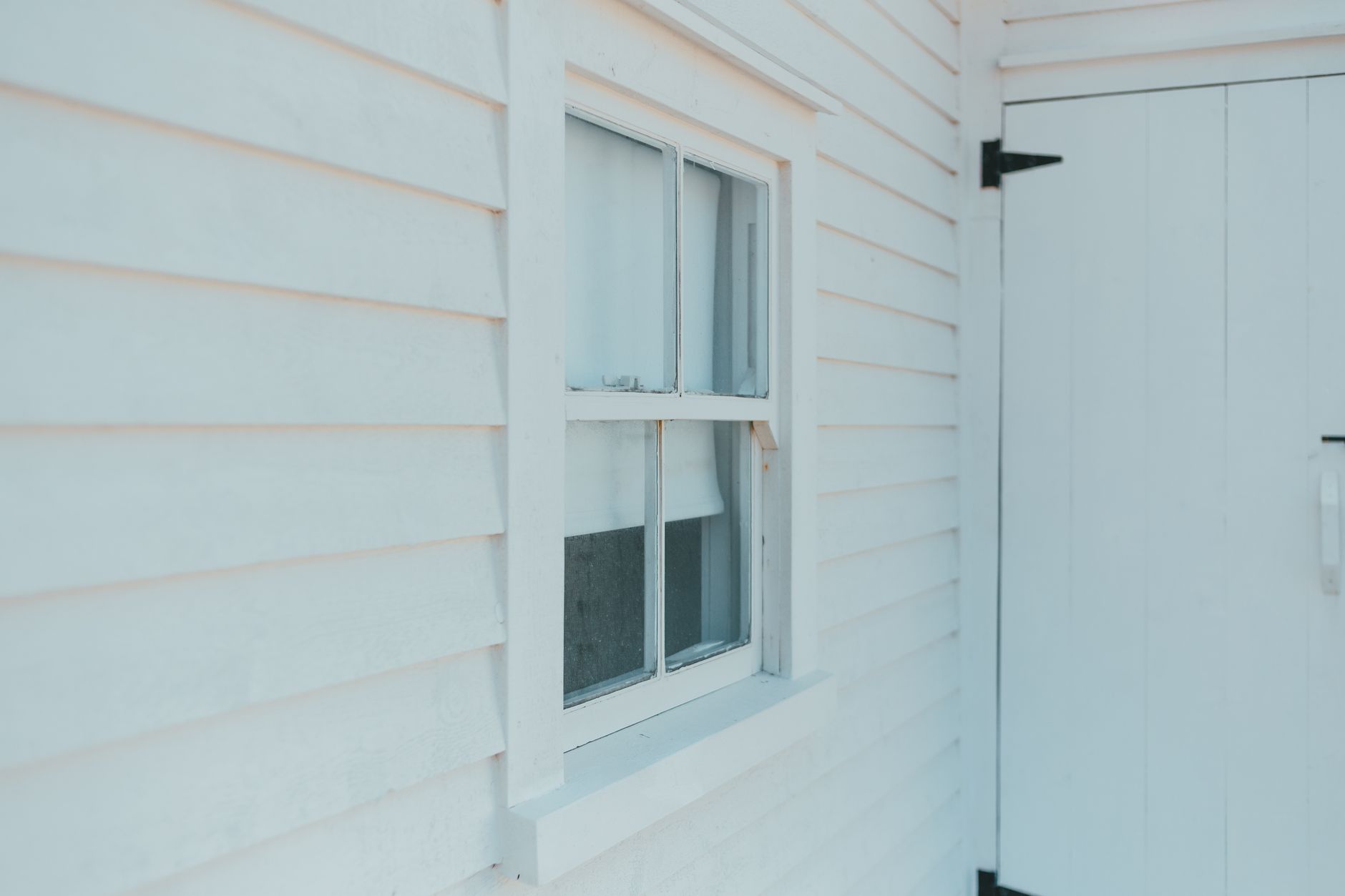
Vinyl siding is widely popular due to its affordability, ease of installation, and low maintenance. It comes in a variety of colors and styles that can mimic wood grain or smooth finishes.

Wood siding

Fiber cement siding

Metal siding

Other materials include stucco, brick veneer, and engineered wood, each offering distinct benefits and styles for various climates and budgets.

Pros and Cons of Each Material

  • Vinyl: Pros – Cost-effective, low maintenance, wide color range. Cons – Can crack or fade over time, less environmentally friendly.
  • Wood: Pros – Natural beauty, customizable. Cons – High maintenance, susceptible to rot and pests.
  • Fiber Cement: Pros – Durable, fire-resistant, low maintenance. Cons – Heavier and more expensive to install.
  • Metal: Pros – Long-lasting, fire-resistant, recyclable. Cons – Can dent, requires repainting, may be noisy in rain.

Factors Affecting Material Choice (Climate, Budget, Maintenance)

Your local climate heavily influences siding performance. For example, fiber cement or metal siding fares well in harsh weather, while wood may struggle in humid or termite-prone areas. Budget constraints also play a crucial role—vinyl offers cost savings upfront, while fiber cement often pays off in durability and longevity. Consider maintenance commitment, too; if you prefer minimal upkeep, materials like vinyl or fiber cement are preferable over wood.

Assessing Your Home’s Architectural Style

Exterior siding should harmonize with your home's design to enhance curb appeal and preserve architectural integrity.

Matching Siding Style to Your Home’s Design

Traditional homes like Craftsman or Colonial often look best with wood or fiber cement siding featuring classic patterns such as clapboard or shingles. Contemporary homes can benefit from sleek metal panels or smooth fiber cement boards that emphasize clean lines. Understanding your home’s architectural roots helps ensure your siding choice complements rather than clashes with its style.

How Siding Color and Texture Influence Curb Appeal

Color and texture can dramatically affect your home’s presence. Lighter siding colors can make small homes feel bigger and brighter, while darker tones add sophistication and conceal dirt. Textured siding, like cedar shakes or stucco, adds depth and character, while smooth finishes create a modern, minimalist look. Pairing color and texture thoughtfully boosts curb appeal and neighborhood value.

Blending Modern and Traditional Aesthetics

Combining classic and contemporary siding elements can yield a fresh, inviting exterior. For instance, pairing wood-look fiber cement with metal accents or mixing horizontal and vertical siding patterns adds visual interest without sacrificing cohesion. This approach works well when updating older homes to reflect current trends while respecting their heritage.

Evaluating Durability and Maintenance Needs

Durability and ease of maintenance are key considerations for long-term satisfaction with your siding.

  • Vinyl: Typically lasts 20-40 years with minimal fading or cracking if well maintained.
  • Wood: Can last 30-50 years but requires regular painting or staining.
  • Fiber Cement: Often exceeds 50 years, resisting rot, fire, and insect damage.
  • Metal: Durable for 40-70 years, though prone to dents and corrosion in salty coastal climates.

Maintenance Routines for Various Siding Types

Vinyl siding requires occasional washing to remove dirt and mildew. Wood siding needs periodic painting or staining, plus inspections for insect damage and rot. Fiber cement should be cleaned annually and inspected for cracks or damage. Metal siding benefits from repainting every 10-15 years and checking for rust spots or dents.

Signs It’s Time to Replace or Repair Siding

Look for visible cracks, warping, fading, or mold growth. Peeling paint on wood, swelling or blistering, and persistent moisture issues behind siding are red flags. If repairs become frequent or costly, replacement may be the best investment.

Energy Efficiency and Insulation Benefits

Beyond aesthetics, exterior siding plays a crucial role in your home’s energy performance.

ADVERTISEMENT

How Siding Impacts Home Energy Costs

Proper siding acts as a barrier against heat loss in winter and heat gain in summer. Materials with insulating properties or those paired with additional insulation reduce the workload on heating and cooling systems, lowering utility bills.

Options for Insulated Siding

Insulated vinyl siding integrates foam backing to improve thermal resistance. Fiber cement can be installed over rigid foam insulation for enhanced efficiency. Some metal siding systems also allow for added insulation layers beneath the panels. These options help maintain consistent indoor temperatures and improve comfort.

Additional Weatherproofing Considerations

Proper flashing, house wrap, and sealing around windows and doors complement siding by preventing moisture intrusion. Choosing siding with good water-shedding properties and ensuring professional installation are vital steps to keep your home dry and energy efficient.

Cost Considerations and Budget Planning

Balancing quality and cost is essential for a siding project that meets your needs without overspending.

Upfront Material and Installation Costs

Vinyl siding offers the lowest initial expense, typically ranging from $3 to $8 per square foot installed. Fiber cement and wood are mid-range, usually $7 to $15 per square foot. Metal siding can be more expensive, especially with premium finishes, often exceeding $10 per square foot.

Long-Term Savings from Durable Siding

Investing in durable materials like fiber cement or metal can reduce maintenance and replacement costs over time. Additionally, energy-efficient siding cuts monthly utility expenses. Factor these savings into your budget to understand the true value beyond upfront prices.

Balancing Quality and Affordability

Consider your home’s needs and your willingness to perform maintenance. A less expensive material may save money now but require more upkeep, while premium siding offers peace of mind and lasting curb appeal. Request multiple quotes and evaluate warranties to make the best decision.

Installation Best Practices and Professional Tips

Proper installation is critical to maximize the benefits of your chosen siding material.

Choosing a Qualified Contractor

Look for contractors with experience in your specific siding material. Verify licenses, insurance, and references. A skilled installer ensures proper sealing, alignment, and attachment, which prevents future issues.

Common Installation Mistakes to Avoid

Avoid rushed jobs that compromise flashing, ventilation, or moisture barriers. Incorrect nailing or failing to leave expansion gaps can lead to warping or buckling. Ensure the installer follows manufacturer guidelines and local building codes.

Ensuring Proper Ventilation and Moisture Control

Ventilation behind siding prevents mold and rot. Installing a weather-resistant barrier and using drip edges and flashing directs water away from the house. These steps are crucial for the longevity of your siding and the health of your home’s structure.

Conclusion

Choosing the right exterior siding is a blend of style, durability, energy efficiency, and budget considerations. Understanding the characteristics of different materials, aligning them with your home’s architecture, and prioritizing quality installation will ensure your home remains attractive and protected for decades. Thoughtful planning today leads to lasting curb appeal and peace of mind tomorrow.

FAQ

What is the most durable exterior siding material?

Fiber cement and metal siding are among the most durable options, offering resistance to weather, pests, and fire with minimal maintenance.

How often should exterior siding be replaced?

Most siding materials last between 20 to 50 years, but regular inspections are key; signs like cracks, warping, or mold indicate replacement may be needed.

Can I install exterior siding myself?

While some siding types like vinyl can be DIY-friendly, professional installation is recommended to ensure proper fit, weatherproofing, and warranty coverage.

Tags:
Share:
Previous Article Choosing the Perfect Decorative Stone Wall for Your Home's Exterior

Recommended Articles

ADVERTISEMENT

Comments (0)

No approved comments yet.

Leave a Comment