Home / Top Trends in Exterior Paint: Best House Colours for Every Style

Top Trends in Exterior Paint: Best House Colours for Every Style

Aug 19, 2026 Administrator Design Ideas
Top Trends in Exterior Paint: Best House Colours for Every Style

Table of Contents

ADVERTISEMENT

Why Choosing the Right House Colour Matters

Selecting the best house colours for your exterior is more than just an aesthetic decision. The colour you choose impacts your home’s curb appeal, reflects your personality, and even affects the overall atmosphere of your neighborhood. A well-chosen paint scheme can enhance architectural details, create a welcoming entrance, and boost your property’s market value.

Exterior paint trends evolve with changing tastes, cultural influences, and innovations in paint technology. Staying updated with current trends helps you pick colours that feel fresh and relevant, yet timeless enough to avoid looking dated quickly. While trends can inspire new ideas, balancing them with classic elements often yields the best long-term results for value and visual harmony.

Classic Colour Palettes That Never Go Out of Style

Timeless Neutrals: Whites, Beiges, and Greys

Neutral colours remain a reliable choice for any home exterior. Whites evoke a clean, crisp look that brightens spaces and pairs well with nearly any accent colour. Beiges offer warmth and softness, creating a subtle backdrop that complements both traditional and modern details. Meanwhile, greys provide a sophisticated, contemporary feel and can range from light silvery tones to deep charcoals, allowing for versatile combinations.

Bold and Deep Hues: Navy, Charcoal, and Forest Green

For homeowners seeking drama and distinction, deep colours like navy blue, charcoal grey, and forest green deliver strong, elegant statements. These hues work particularly well on larger homes or those with detailed architectural features. They convey confidence and depth while remaining surprisingly adaptable, especially when paired with lighter trims or warm wooden accents.

Soft Pastels for a Subtle Statement

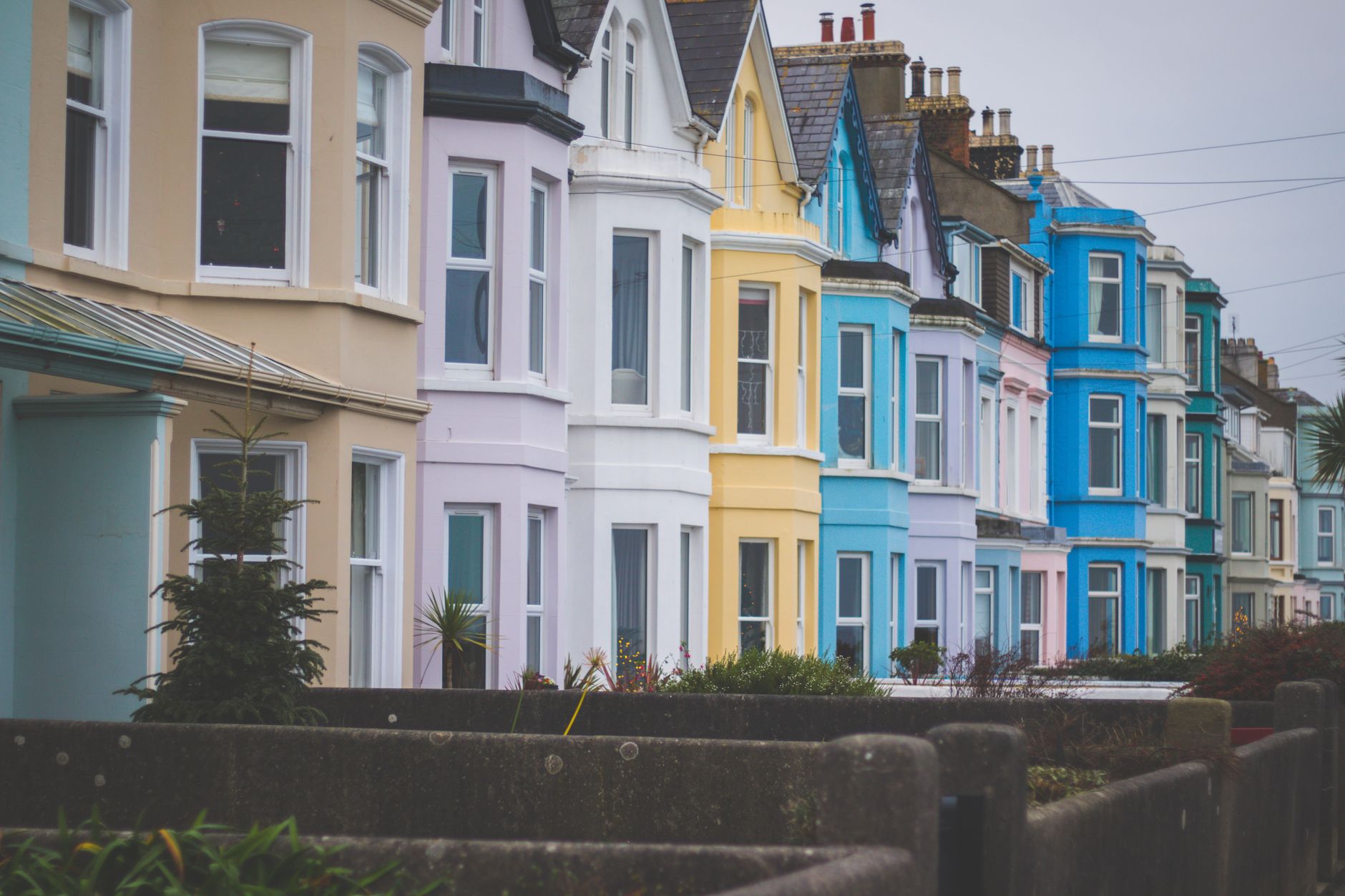
Soft pastels are gaining popularity as a fresh alternative to stark neutrals. Shades like pale blush, powder blue, and muted mint add personality without overwhelming the senses. These colours are especially favored in coastal or urban settings, where they evoke calm and charm. When used thoughtfully, pastels can highlight architectural details and create a welcoming, gentle exterior.

Warm Earth Tones Inspired by Nature

Inspired by landscapes and natural materials, warm earth tones such as terracotta, warm taupe, and ochre are trending for their organic, inviting qualities. These colours blend seamlessly with wooded or rural environments and enhance the feeling of harmony between home and nature. Earth tones also offer a cozy, grounded palette that complements stone, brick, and wood exterior elements beautifully.

Matching House Colours to Architectural Styles

Traditional and Colonial Homes

Traditional and Colonial-style homes often benefit from classic colour schemes that reflect their historic roots. Whites and creams paired with black or deep red shutters are timeless choices. Soft greys and muted blues can also evoke a sense of heritage while keeping the look fresh. Accents like dark green or navy on doors and trim add richness without straying from tradition.

Modern and Contemporary Designs

Modern homes lend themselves to sleek, minimalist palettes. Crisp whites and cool greys create clean lines and a sense of spaciousness. Charcoal or black exteriors paired with natural wood accents are increasingly popular for adding warmth and texture. Bright accent colours on doors or architectural features can inject personality while maintaining a streamlined aesthetic.

ADVERTISEMENT

Cottage and Farmhouse Styles

Cottages and farmhouses embrace warmth and charm, making soft pastels, creamy whites, and warm earth tones excellent choices. Light blues, sage greens, and buttery yellows evoke a cozy, inviting feel. Trim and shutters in classic white or contrasting darker shades help define the home’s character and highlight its rustic details.

Tips for Choosing the Best House Colours

Considering Climate and Surroundings

Your local climate and environment play a crucial role in selecting exterior paint colours. Lighter colours can reflect heat in warmer regions, helping keep your home cooler, while darker shades may absorb warmth beneficial for colder climates. Additionally, consider how your chosen colours will harmonize with natural surroundings like trees, landscaping, and neighboring homes.

Testing Samples and Lighting Effects

Paint colours can look dramatically different depending on lighting conditions. Always test samples on various sides of your home and observe them at different times of day. Natural light, shadows, and even artificial lighting at night can alter the appearance. This step ensures you select a colour that consistently complements your home’s features.

Coordinating Trim, Doors, and Accents

The best house colours don’t exist in isolation. Coordinating your main exterior colour with trim, doors, and other accents creates a cohesive and polished look. Contrasting trim can highlight architectural details, while complementary door colours can serve as focal points. Experiment with different combinations to achieve balance and interest.

Maintaining Your Exterior Paint

Preparing Surfaces for Longer Lasting Colour

Proper surface preparation is essential for durable, vibrant exterior paint. This includes cleaning, sanding, repairing any damage, and applying primer where needed. Well-prepped surfaces ensure paint adheres properly, resists peeling, and maintains colour integrity through weather changes.

When and How to Refresh Your Paint

Exterior paint typically lasts 5-10 years, depending on materials and climate. Regular inspections help identify fading, cracking, or peeling early. When refreshing, clean the surface thoroughly and address any repairs before repainting. Choosing high-quality paints with UV protection and weather resistance extends the life of your colour and keeps your home looking its best.

Conclusion

Choosing the best house colours involves balancing personal style, architectural harmony, and environmental factors. Whether you prefer timeless neutrals, bold dramatic tones, or soft contemporary hues, understanding current trends and classic palettes ensures your home makes a confident, lasting statement. With thoughtful selection and proper maintenance, your exterior paint can enhance both curb appeal and value for years to come.

FAQ

How do I choose the best house colour for my home style?

Consider your home's architectural style, surrounding environment, and personal preferences. Testing paint samples in different lighting conditions helps ensure the colour complements your home and neighborhood.

Are certain house colours better for resale value?

Neutral shades like greys, whites, and soft earth tones tend to have broader appeal and can enhance resale value, while bold colours may attract niche buyers but can limit marketability.

Tags:
Share:
Previous Article Choosing the Perfect Decorative Stone Wall for Your Home's Exterior

Recommended Articles

ADVERTISEMENT

Comments (0)

No approved comments yet.

Leave a Comment