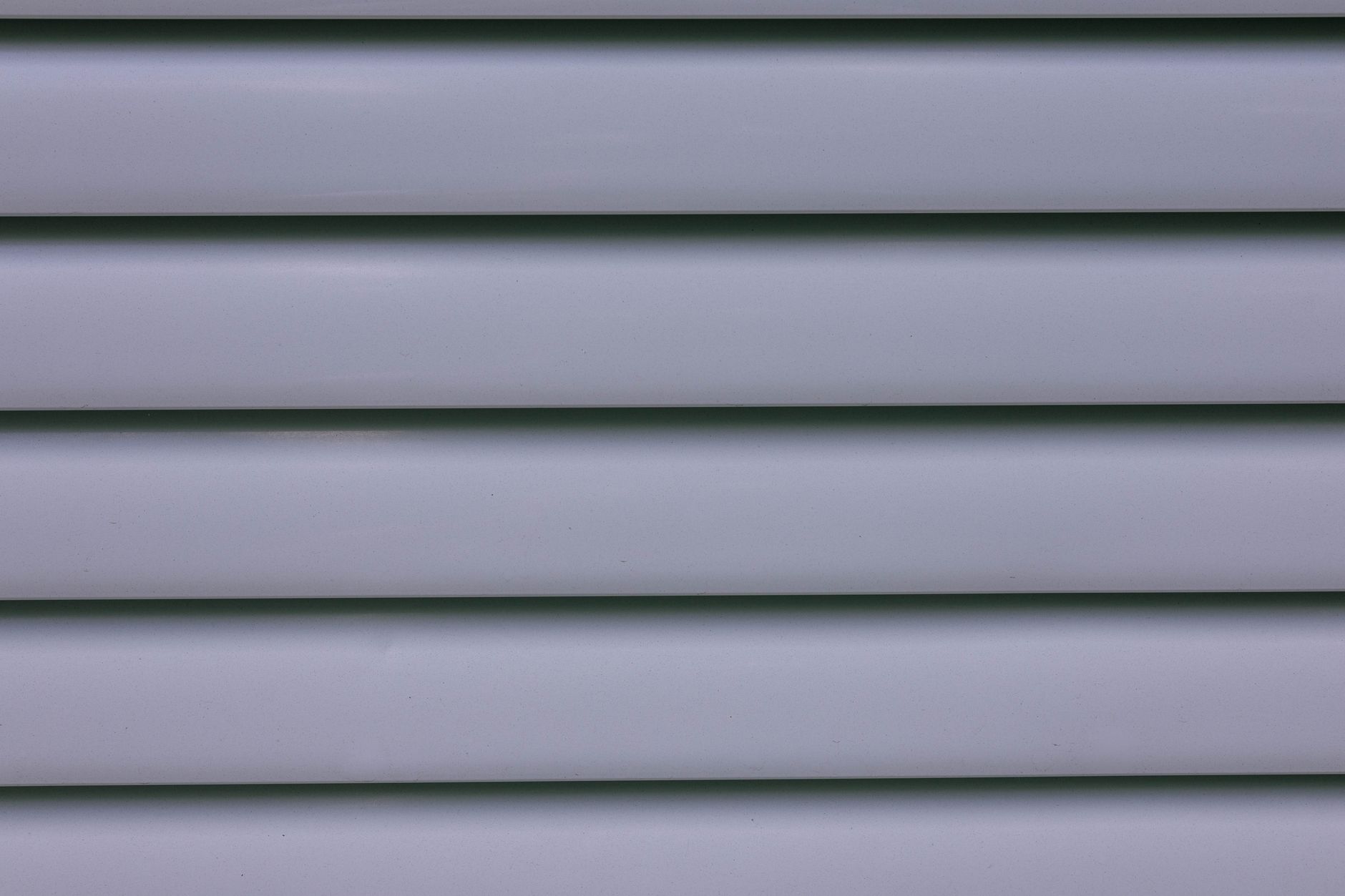
Home / Exploring Popular Types of Vinyl Siding for Modern Homes

Exploring Popular Types of Vinyl Siding for Modern Homes

Aug 19, 2026 Administrator Design Ideas
Exploring Popular Types of Vinyl Siding for Modern Homes

Table of Contents

ADVERTISEMENT

Introduction to Vinyl Siding for Houses

Vinyl siding has become one of the most favored exterior cladding options for houses due to its versatility, affordability, and ease of installation. Homeowners appreciate how vinyl siding can mimic the look of more expensive materials while offering a wide range of colors and styles. Its resistance to common issues like rot and insect damage adds to its appeal, making it a smart choice for modern residential construction and renovation projects.

Key Benefits for Modern Homes

Beyond its aesthetic flexibility, vinyl siding offers practical benefits that suit today’s homes. It is lightweight yet durable, making it easy to handle and install. Additionally, vinyl siding often comes with warranties that guarantee color retention and protection against fading. Its energy-efficient variants can improve a home’s insulation, contributing to reduced heating and cooling costs. These features combine to make vinyl siding a reliable, cost-effective solution for homeowners looking to enhance both curb appeal and functionality.

1. Traditional Clapboard Vinyl Siding

Appearance and Texture

Traditional clapboard vinyl siding replicates the classic horizontal wood planks commonly found on many older homes. It features a smooth or slightly textured finish that adds subtle depth and character to the exterior surface. The even, overlapping design creates clean horizontal lines, lending a timeless and orderly look that blends well with a variety of architectural styles.

Best Uses and Home Styles

This style is particularly well-suited for colonial, farmhouse, and traditional homes where simplicity and heritage are key design elements. Its straightforward installation and familiar appearance make it an excellent choice for homeowners seeking a classic yet durable siding option. Clapboard vinyl siding pairs well with shutters, trim, and other decorative accents to create a welcoming façade.

2. Dutch Lap Vinyl Siding

Design Features

Dutch lap vinyl siding stands out with its distinctive beveled edge, which creates a shadow line that adds dimension and texture to a home’s exterior. This style mimics the look of hand-crafted wood siding, with a gently curved profile that enhances visual interest. The overlapping design also improves water runoff and protects the structure from moisture intrusion.

Advantages Over Other Styles

Compared to traditional clapboard, Dutch lap siding offers a richer, more textured appearance that is often perceived as higher-end. Its contouring provides excellent resistance to wind and weather, making it a practical choice in regions prone to storms. Additionally, the shadow lines of Dutch lap siding can make a home appear larger and more dynamic, enhancing curb appeal significantly.

3. Beaded Vinyl Siding

Distinctive Look and Appeal

Beaded vinyl siding features a small, rounded bead along the bottom edge of each panel, giving it a refined and elegant look reminiscent of historic coastal cottages and craftsman homes. This subtle detail catches the eye and offers a level of sophistication that sets it apart from more straightforward siding options.

Ideal Applications

This type of siding is perfect for homeowners who want their houses to convey charm and personality without sacrificing durability. It works well on bungalows, cottages, and traditional-style homes, particularly in neighborhoods where architectural detail is highly valued. Because of its unique profile, beaded siding can also add value to properties by enhancing their visual appeal and distinctive character.

4. Board and Batten Vinyl Siding

Rustic Charm for Contemporary Homes

Board and batten vinyl siding is inspired by the vertical wood planks and battens commonly seen on barns and rustic homes. Its wide boards are separated by narrow strips, or battens, which create a striking vertical pattern that adds height and drama to a home’s exterior. This siding style blends rural charm with a modern edge, making it popular among those seeking a farmhouse or craftsman aesthetic.

ADVERTISEMENT

Installation Considerations

Installing board and batten siding requires careful alignment to maintain the clean vertical lines that define its look. Because of the wider panels and battens, installation may take a bit longer than traditional horizontal siding, and attention to detail is crucial to avoid gaps that could allow moisture infiltration. However, the visual payoff is substantial, providing a bold statement that enhances curb appeal and stands out in any neighborhood.

5. Vertical Vinyl Siding

Modern Aesthetic Benefits

Vertical vinyl siding offers a sleek, contemporary appearance that contrasts with the more common horizontal styles. By running panels vertically, it creates an impression of increased height and modernity, making it a favorite for modern and minimalist home designs. This style is also effective in accenting architectural features such as gables, dormers, or entryways.

Durability and Maintenance

Like other vinyl options, vertical siding is highly resistant to moisture and pests. Its vertical orientation helps shed water quickly, reducing the risk of damage. Maintenance is straightforward, typically involving occasional washing to remove dirt and debris. The sturdy construction of vertical panels ensures long-term durability even in harsh climates.

6. Choosing the Right Vinyl Siding for Your Home

Factors to Consider: Climate, Budget, and Style

Selecting the ideal vinyl siding involves balancing several factors. Climate plays a crucial role; for instance, homes in windy or rainy areas benefit from styles with better water-shedding capabilities, like Dutch lap or vertical siding. Budget considerations impact material thickness, finish options, and installation complexity—some styles may cost more upfront but offer greater longevity or aesthetic value. Lastly, the architectural style of your home should guide your siding choice to maintain harmony and enhance curb appeal.

Tips for Long-Term Care and Maintenance

To keep vinyl siding looking its best, regular cleaning is essential. Use a garden hose or soft brush with mild detergent to remove dirt, mildew, and stains. Inspect your siding annually for cracks or loose panels, especially after storms. Prompt repairs prevent small issues from escalating. Additionally, avoid harsh chemicals or abrasive tools that can damage the siding’s surface. Proper maintenance preserves both the appearance and protective qualities of vinyl siding over time.

Conclusion

Understanding the various types of vinyl siding for houses empowers homeowners to make informed decisions that enhance their property’s beauty, durability, and value. From the classic appeal of traditional clapboard to the modern edge of vertical siding, each style offers unique benefits tailored to different tastes and needs. By considering factors like climate, budget, and architectural style, you can select a vinyl siding option that not only protects your home but also reflects your personal vision for its exterior.

FAQ

What are the most durable types of vinyl siding for houses?

Beaded and Dutch Lap vinyl siding are known for their durability and resistance to weathering, making them excellent choices for long-lasting home exteriors.

How do I choose the right color and style of vinyl siding?

Consider your home's architectural style, neighborhood aesthetics, and personal preferences, along with factors like UV resistance and maintenance needs, when selecting vinyl siding color and style.

Is vinyl siding low maintenance compared to other siding options?

Yes, vinyl siding generally requires less maintenance than wood or fiber cement, needing only occasional cleaning and inspection, making it practical for busy homeowners.

Tags:
Share:
Previous Article Choosing the Perfect Decorative Stone Wall for Your Home's Exterior

Recommended Articles

ADVERTISEMENT

Comments (0)

No approved comments yet.

Leave a Comment